S-a dus si Mike Nichols :( Avea 83 de ani. Primul film de cinema, Who's Afraid of Virginia Woolf in 1966. Ultimul film, Charlie Wilson's War, in 2007. Intre ele, The Graduate, Catch-22, Biloxi Blues, Silkwood, Working Girl, Heartburn, remakeul la Birdcage si Closer.
Si mult teatru (7 premii Tony), si musicaluri (premiul Grammy) si TV (Angels of America pentru HBO, premiul Emmy), si show-ul Monty Python's Spamalot in 2005. Un interviu la Charlie Rose de atunci. Insightful..
Premiul Oscar in 1967 pentru The Graduate. Si Globul de Aur, BAFTA si DGA.
Producator la Remains of the Day (1993), alaturi de prietenul sau John Calley.
Filmele mele preferate, 2 cu Jack Nicholson (cu care a facut 3, inclusiv WOLF), Cranal Knowledge si The Fortune., adapatarea inegala la Catch-22, putin vazutul si blamatul thriller The Day of the Dolphin , clasicele Virginia Woolf si The Graduate.
will be missed...
Il voi omagia in luna decembrie la Cinemateca Patria cu Working Girl si Catch-22. Apoi la anul sper cu Charlie Wilson's War, Silkwood si poate Biloxi Blues si Primary Colors.
joi, 20 noiembrie 2014
luni, 17 noiembrie 2014
Program Cinemateca Patria 17-23 noiembrie 2014
Program Cinemateca Patria, Brasov 17-23 noiembrie 2014
site: http://cinematecapatria.ro/
Luni 17 noiembrie
20:00 Seara Filmului European
Paris, Texas (SUA, Germania, 1984)
Regia: Wim Wenders
Cu: Harry Dean Stanton, Nastassja Kinski, Dean Stockwell
Dramă
Durata: 147 min.
o capodopera vizuala si de mood, pe muzica superba a lui Ry Cooder. America vazuta de Wim Wenders, Palme d'Or la Cannes.
Aniversarea de 30 de ani
In memoriam L.M. Kit Carson (scenaristul filmului)

Marți 18 noiembrie
20:00 Seara filmului asiatic
Zatoichi (Japonia, 2003)
Regia Takeshi Kitano
Cu: Takeshi Kitano, Tadanobu Asano
Acțiune, istoric, Durata: 116 min.
Premiul pentru cel mai bun film și premiul publicului la festivalul de la Sitges. Leul de Argint și premiul publicului la festivalul de la Veneția

Miercuri 19 noiembrie
20:00 Seara Doc And Roll
Pirații Rockului / Pirate Radio / The Boat That Rocked (Anglia, 2009)
Regia: Richard Curtis
Cu: Philip Seymour Hoffman, Bill Nighy, Nick Frost
comedie, muzical
Durata: 129 min.
In memoriam Philip Seymour Hoffman
cronica mea aici

Joi 20 noiembrie
20:00 Comedy Classics
Marele Lebowski / The Big Lebowski (SUA, 1998)
Regia: Joel și Ethan Coen
Cu: Jeff Bridges, John Goodman, Steve Buscemi
Comedie. Durata: 117 min.

Vineri 21 noiembrie
18:00 ALTFESTVAL
Intrarea gratuita
Back to The Future (SUA, 1985)
Regia: Robert Zemeckis
cu: Michael J. Fox, Christopher Lloyd, Lea Thompson
comedie, SF
durata: 115 min.

20:00 Seara fantastică/ Film Cult
Fortăreața / The Keep (SUA, 1983)
Regia: Michael Mann
Cu: Scott Glenn, Ian McKellen, Gabriel Byrne
Thriller, fantastic
Durata: 96 min.
muzica de Tangerine Dream

22.00 ALTFESTIVAL
Intrarea gratuita
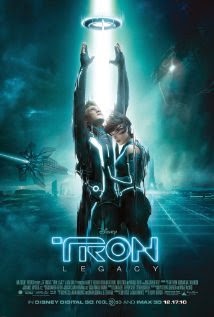
TRON: Legacy (2010)
Regia Joseph Kosinski
cu: Jeff Bridges, Garrett Hedlund, Olivia Wilde
SF, aventura
durata: 125 min.
muzica de Daft Punk
cronica mea aici

Sâmbătă 22 noiembrie
11:00 Matineu copii
Ratatouille (1961)
Regia: Brad Bird, Jan Pinkava
Animație
Dublat în limba română
Durata: 111 min.

17:00 Golden Classics
Bulevardul amurgului / Sunset Boulevard (1950)
Regia: Billy Wilder
Cu: William Holden, Gloria Swanson
Dramă, film noir
Durata: 110 min.
3 premii Oscar

19.00: Mari regizori
Să prinzi un hoț /To Catch a Thief (SUA, 1955)
Regia: Alfred Hitchcock
Cu: Cary Grant, Grace Kelly
Thriller, romantic
Durata: 106 min.

21:00 http://altbrasov.org/
Intrarea gratuita
Minority Report (SUA, 2002)
Regia: Steven Spielberg
Cu: Tom Cruise, Colin Farrell, Samantha Morton
Thriller, SF
Durata: 145 min.

Duminică 23 noiembrie
11:00 Matineu copii
În căutarea lui Nemo/ Finding Nemo (SUA, 2003)
Regia: Andrew Stanton, Lee Unkrich
Animație
Dublat in limba romana
Durata: 100 min.

17:00 Golden Classics
Miraj / Mirage (SUA, 1965)
Regia: Edward Dmytryk
Cu: Gregory Peck, Diane Baker, Walter Matthau
Thriller
Durata: 108 min.

19:00 Seara de Oscar
Cartierul chinezesc/Chinatown (SUA, 1974)
Regia: Roman Polanski
Cu: Jack Nicholson, Faye Dunaway
Drama, film noir
Durata: 130 min.
6 nominalizări și premiul Oscar pentru cel mai bun scenariu
site: http://cinematecapatria.ro/
Luni 17 noiembrie
20:00 Seara Filmului European
Paris, Texas (SUA, Germania, 1984)
Regia: Wim Wenders
Cu: Harry Dean Stanton, Nastassja Kinski, Dean Stockwell
Dramă
Durata: 147 min.
o capodopera vizuala si de mood, pe muzica superba a lui Ry Cooder. America vazuta de Wim Wenders, Palme d'Or la Cannes.
Aniversarea de 30 de ani
In memoriam L.M. Kit Carson (scenaristul filmului)

Marți 18 noiembrie
20:00 Seara filmului asiatic
Zatoichi (Japonia, 2003)
Regia Takeshi Kitano
Cu: Takeshi Kitano, Tadanobu Asano
Acțiune, istoric, Durata: 116 min.
Premiul pentru cel mai bun film și premiul publicului la festivalul de la Sitges. Leul de Argint și premiul publicului la festivalul de la Veneția

Miercuri 19 noiembrie
20:00 Seara Doc And Roll
Pirații Rockului / Pirate Radio / The Boat That Rocked (Anglia, 2009)
Regia: Richard Curtis
Cu: Philip Seymour Hoffman, Bill Nighy, Nick Frost
comedie, muzical
Durata: 129 min.
In memoriam Philip Seymour Hoffman
cronica mea aici

Joi 20 noiembrie
20:00 Comedy Classics
Marele Lebowski / The Big Lebowski (SUA, 1998)
Regia: Joel și Ethan Coen
Cu: Jeff Bridges, John Goodman, Steve Buscemi
Comedie. Durata: 117 min.

Vineri 21 noiembrie
18:00 ALTFESTVAL
Intrarea gratuita
Back to The Future (SUA, 1985)
Regia: Robert Zemeckis
cu: Michael J. Fox, Christopher Lloyd, Lea Thompson
comedie, SF
durata: 115 min.

20:00 Seara fantastică/ Film Cult
Fortăreața / The Keep (SUA, 1983)
Regia: Michael Mann
Cu: Scott Glenn, Ian McKellen, Gabriel Byrne
Thriller, fantastic
Durata: 96 min.
muzica de Tangerine Dream

22.00 ALTFESTIVAL
Intrarea gratuita
TRON: Legacy (2010)
Regia Joseph Kosinski
cu: Jeff Bridges, Garrett Hedlund, Olivia Wilde
SF, aventura
durata: 125 min.
muzica de Daft Punk
cronica mea aici

Sâmbătă 22 noiembrie
11:00 Matineu copii
Ratatouille (1961)
Regia: Brad Bird, Jan Pinkava
Animație
Dublat în limba română
Durata: 111 min.

17:00 Golden Classics
Bulevardul amurgului / Sunset Boulevard (1950)
Regia: Billy Wilder
Cu: William Holden, Gloria Swanson
Dramă, film noir
Durata: 110 min.
3 premii Oscar

19.00: Mari regizori
Să prinzi un hoț /To Catch a Thief (SUA, 1955)
Regia: Alfred Hitchcock
Cu: Cary Grant, Grace Kelly
Thriller, romantic
Durata: 106 min.

21:00 http://altbrasov.org/
Intrarea gratuita
Minority Report (SUA, 2002)
Regia: Steven Spielberg
Cu: Tom Cruise, Colin Farrell, Samantha Morton
Thriller, SF
Durata: 145 min.

Duminică 23 noiembrie
11:00 Matineu copii
În căutarea lui Nemo/ Finding Nemo (SUA, 2003)
Regia: Andrew Stanton, Lee Unkrich
Animație
Dublat in limba romana
Durata: 100 min.

17:00 Golden Classics
Miraj / Mirage (SUA, 1965)
Regia: Edward Dmytryk
Cu: Gregory Peck, Diane Baker, Walter Matthau
Thriller
Durata: 108 min.

19:00 Seara de Oscar
Cartierul chinezesc/Chinatown (SUA, 1974)
Regia: Roman Polanski
Cu: Jack Nicholson, Faye Dunaway
Drama, film noir
Durata: 130 min.
6 nominalizări și premiul Oscar pentru cel mai bun scenariu
Etichete:
Asia Extreme,
blues,
cannes,
cinemateca patria,
comedie,
Doc and Roll,
film,
film cult,
guitar,
horror,
in cinema,
jack,
Oscar,
polanski,
rockland,
SF,
soundtrack
vineri, 14 noiembrie 2014
Interstellar: de ce, unde si cum sa il vezi ?
“Do not go gentle into that good night/Rage, rage against the dying of the light” Dylan Thomas

“I’ve always believed that if you want to really try and make a great film, not a good film, but a great film, you have to take a lot of risks. It was very clear to me that if you’re going to make a film called 'Interstellar,' it’s going to have to be something extremely ambitious. You push it in all the possible directions you can. Not for its own sake, but because you know that if you’re going to try to add something to the canon, besides fiction films and all the rest, and live up to the promise of that title and the scale of that title, you really have to go there.”
Christopher Nolan
*
Filmul event al anului ?
orisicit, Intilniri de gradul 3 pentru mileniul 3, Interstellar e un opus ambitios despre care se va vorbi mult timp de acum inainte
de vazut neaparat, adevaratul Gravity (pt ca asta e clue-ul major), un mix de 2001 -Odiseea spatiala, Close Encounters, Solaris si chiar Tree of Life (plus a lot of corn and dust, v. Superman, The Stand si Grapes of Wrath)
*
despre cum trebuia sa fie filmul in versiunea intiala, gindit pentru Spielberg aici
*
alte opinii plus cele ale lui Tarantino aici
*
cronica din Variety aici sau metacritics
*
de vazut unde ?
va zice aici un proiectionist de imax...
oricum noi nu avem decit un cinema de tipul asta, so get there if you can...

and yes, the soundtrack of the year (Hans Zimmer ia din Phillip Glass-Koyaanisquatsi, Vangelis, Mike Oldfield (Tubullar Bells) si Strauss (Also Spracht..) si Planetele lui Holst, dar da bine :) . Oscar, finally ???
*
Highly recommended !

“I’ve always believed that if you want to really try and make a great film, not a good film, but a great film, you have to take a lot of risks. It was very clear to me that if you’re going to make a film called 'Interstellar,' it’s going to have to be something extremely ambitious. You push it in all the possible directions you can. Not for its own sake, but because you know that if you’re going to try to add something to the canon, besides fiction films and all the rest, and live up to the promise of that title and the scale of that title, you really have to go there.”
Christopher Nolan
*
Filmul event al anului ?
orisicit, Intilniri de gradul 3 pentru mileniul 3, Interstellar e un opus ambitios despre care se va vorbi mult timp de acum inainte
de vazut neaparat, adevaratul Gravity (pt ca asta e clue-ul major), un mix de 2001 -Odiseea spatiala, Close Encounters, Solaris si chiar Tree of Life (plus a lot of corn and dust, v. Superman, The Stand si Grapes of Wrath)
*
despre cum trebuia sa fie filmul in versiunea intiala, gindit pentru Spielberg aici
*
alte opinii plus cele ale lui Tarantino aici
*
cronica din Variety aici sau metacritics
*
de vazut unde ?
va zice aici un proiectionist de imax...
oricum noi nu avem decit un cinema de tipul asta, so get there if you can...

and yes, the soundtrack of the year (Hans Zimmer ia din Phillip Glass-Koyaanisquatsi, Vangelis, Mike Oldfield (Tubullar Bells) si Strauss (Also Spracht..) si Planetele lui Holst, dar da bine :) . Oscar, finally ???
*
Highly recommended !
joi, 13 noiembrie 2014
Berlinale Retrospective 2015: Glorious Technicolor
dupa ce a anuntat seful juriului,, si anume pe Darren Aronofsky, a 65-a Berlinala (5- 15 Februarie 2015), anunta si tema Retrospectivei:
Berlinale Retrospective 2015:
“Glorious Technicolor. From George Eastman House and Beyond”
communique:
The Retrospective of the 65th Berlin International Film Festival promises to be an opulent colour spectacle. It will celebrate the 100th anniversary of a colour film process that has become a legend far beyond Hollywood: Color by Technicolor. The Retrospective will present around 30 magnificent Technicolor films, some of which have been elaborately restored. They were made in the early years between the dawn of Technicolor and 1953 – and include six British films.

“The blazing red of Southern skies in Gone with the Wind or the ecstatic yellow of the raincoats in Singin’ in the Rain – in those days, the play of dramatically intensified colours was a sensation. The Technicolor process combined with cultural and economic trends to produce great cinematic works of art that still thrill audiences today,” says Berlinale Director Dieter Kosslick.
As of 1915, inventors Herbert T. Kalmus, Daniel Comstock and W. Burton Wescott developed the two-colour process Technicolor No. I at the company they had founded for this purpose: Technicolor Motion Picture Corporation. This system used a beam splitter, and red and green filters to record and project the film. However, the spectrum of colours that could be reproduced on the screen in this process was still limited.
Viewers and film critics responded with some reserve to these first films and the flickering fringes of the colours. Though it was the scepticism of cinema operators, coupled with their own high standards, that repeatedly motivated Kalmus and his team to make ever new improvements over the next years and decades. With Technicolor No. IV, in which the three colours green, red and blue were used as of 1932, a level of quality was achieved that gave Technicolor its brilliancy. For the first time the whole colour spectrum could be reproduced. Technicolor No. V, introduced in 1952, was just a process for printing film, not for shooting it.
Technicolor was never connected to one single style even if, in comparison to the transparency of other colour film processes, it had a rather saturated look. Instead it aimed at making the use of colour more conscious and deliberate. Technicolor came into its own especially in (melo‑)dramas, musicals and adventure films.
In Richard Boleslawski’s drama The Garden of Allah (USA 1936), the empty expanses of the desert, that appear in warm shades of red and brown, become landscapes of the soul. In George Sidney’s adventure film The Three Musketeers (USA 1948), dashing young men battle in dazzling pink and light blue in an entirely stylised and artificial setting.

A true box-office hit was the MGM musical The Wizard of Oz (Victor Fleming, USA 1939), which competed with the Technicolor films of Walt Disney Productions. In The Wizard of Oz, colour was used so excessively that the actors in their imaginative costumes look almost like in a cartoon. And in Howard Hawks’ Gentlemen Prefer Blondes (USA 1953), Marilyn Monroe is clad in an irresistible pink set against a rich red backdrop when she sings “Diamonds are a girl’s best friend”.
Stunning panoramas characterise Westerns in Technicolor. In King Vidor’s Duel in the Sun (USA 1946), hate and love are acted out under the scorching orange-red desert sun. In John Ford’s She Wore a Yellow Ribbon (USA 1949), Monument Valley and its earthy tones serve as a picturesque backdrop that sets off the resplendent uniforms and details on the costumes.
Ultimately, in 1953, Technicolor’s rival – colour negative film – started booming. Today it is important to get as close to the original of these splendid Technicolor films as possible. “Thanks to the cooperation with George Eastman House in Rochester, we will be able to present prints from one of the world’s largest and best preserved collections of Technicolor films – and they will range from original prints to modern colour film prints. Thanks to the support of other film archives and studios, we will also be showing a large number of restored versions,” comments Rainer Rother, Head of the Retrospective and Artistic Director of the Deutsche Kinemathek.
For the Retrospective, Bertz + Fischer Verlag is publishing a richly illustrated book, “Glorious Technicolor”. In essays, renowned authors – including Scott Higgins, Barbara Flückiger and Susanne Marschall – will explore in depth the multi-faceted, and hitherto partly disregarded, phenomenon of Technicolor for the first time in German.
The Retrospective’s film programme will be supplemented by events at the Deutsche Kinemathek. George Eastman House in Rochester, New York, had the idea for the topic of the upcoming Retrospective. It was then developed in partnership with the Deutsche Kinemathek, The Museum of Modern Art (MoMA) and the Austrian Film Museum. Thanks to this cooperation, the film series will also be presented in Vienna (April 2015) and New York (summer 2015).
For the second year running, the Retrospective and Homage will be supported by their section partner, Glashütte Original, a watch manufacturer rich in tradition and co-partner of the Berlinale since 2011.

http://www.berlinale.de
Berlinale Retrospective 2015:
“Glorious Technicolor. From George Eastman House and Beyond”
communique:
The Retrospective of the 65th Berlin International Film Festival promises to be an opulent colour spectacle. It will celebrate the 100th anniversary of a colour film process that has become a legend far beyond Hollywood: Color by Technicolor. The Retrospective will present around 30 magnificent Technicolor films, some of which have been elaborately restored. They were made in the early years between the dawn of Technicolor and 1953 – and include six British films.

“The blazing red of Southern skies in Gone with the Wind or the ecstatic yellow of the raincoats in Singin’ in the Rain – in those days, the play of dramatically intensified colours was a sensation. The Technicolor process combined with cultural and economic trends to produce great cinematic works of art that still thrill audiences today,” says Berlinale Director Dieter Kosslick.
As of 1915, inventors Herbert T. Kalmus, Daniel Comstock and W. Burton Wescott developed the two-colour process Technicolor No. I at the company they had founded for this purpose: Technicolor Motion Picture Corporation. This system used a beam splitter, and red and green filters to record and project the film. However, the spectrum of colours that could be reproduced on the screen in this process was still limited.
Viewers and film critics responded with some reserve to these first films and the flickering fringes of the colours. Though it was the scepticism of cinema operators, coupled with their own high standards, that repeatedly motivated Kalmus and his team to make ever new improvements over the next years and decades. With Technicolor No. IV, in which the three colours green, red and blue were used as of 1932, a level of quality was achieved that gave Technicolor its brilliancy. For the first time the whole colour spectrum could be reproduced. Technicolor No. V, introduced in 1952, was just a process for printing film, not for shooting it.
Technicolor was never connected to one single style even if, in comparison to the transparency of other colour film processes, it had a rather saturated look. Instead it aimed at making the use of colour more conscious and deliberate. Technicolor came into its own especially in (melo‑)dramas, musicals and adventure films.
In Richard Boleslawski’s drama The Garden of Allah (USA 1936), the empty expanses of the desert, that appear in warm shades of red and brown, become landscapes of the soul. In George Sidney’s adventure film The Three Musketeers (USA 1948), dashing young men battle in dazzling pink and light blue in an entirely stylised and artificial setting.

A true box-office hit was the MGM musical The Wizard of Oz (Victor Fleming, USA 1939), which competed with the Technicolor films of Walt Disney Productions. In The Wizard of Oz, colour was used so excessively that the actors in their imaginative costumes look almost like in a cartoon. And in Howard Hawks’ Gentlemen Prefer Blondes (USA 1953), Marilyn Monroe is clad in an irresistible pink set against a rich red backdrop when she sings “Diamonds are a girl’s best friend”.
Stunning panoramas characterise Westerns in Technicolor. In King Vidor’s Duel in the Sun (USA 1946), hate and love are acted out under the scorching orange-red desert sun. In John Ford’s She Wore a Yellow Ribbon (USA 1949), Monument Valley and its earthy tones serve as a picturesque backdrop that sets off the resplendent uniforms and details on the costumes.
Ultimately, in 1953, Technicolor’s rival – colour negative film – started booming. Today it is important to get as close to the original of these splendid Technicolor films as possible. “Thanks to the cooperation with George Eastman House in Rochester, we will be able to present prints from one of the world’s largest and best preserved collections of Technicolor films – and they will range from original prints to modern colour film prints. Thanks to the support of other film archives and studios, we will also be showing a large number of restored versions,” comments Rainer Rother, Head of the Retrospective and Artistic Director of the Deutsche Kinemathek.
For the Retrospective, Bertz + Fischer Verlag is publishing a richly illustrated book, “Glorious Technicolor”. In essays, renowned authors – including Scott Higgins, Barbara Flückiger and Susanne Marschall – will explore in depth the multi-faceted, and hitherto partly disregarded, phenomenon of Technicolor for the first time in German.
The Retrospective’s film programme will be supplemented by events at the Deutsche Kinemathek. George Eastman House in Rochester, New York, had the idea for the topic of the upcoming Retrospective. It was then developed in partnership with the Deutsche Kinemathek, The Museum of Modern Art (MoMA) and the Austrian Film Museum. Thanks to this cooperation, the film series will also be presented in Vienna (April 2015) and New York (summer 2015).
For the second year running, the Retrospective and Homage will be supported by their section partner, Glashütte Original, a watch manufacturer rich in tradition and co-partner of the Berlinale since 2011.

http://www.berlinale.de
Abonați-vă la:
Postări (Atom)